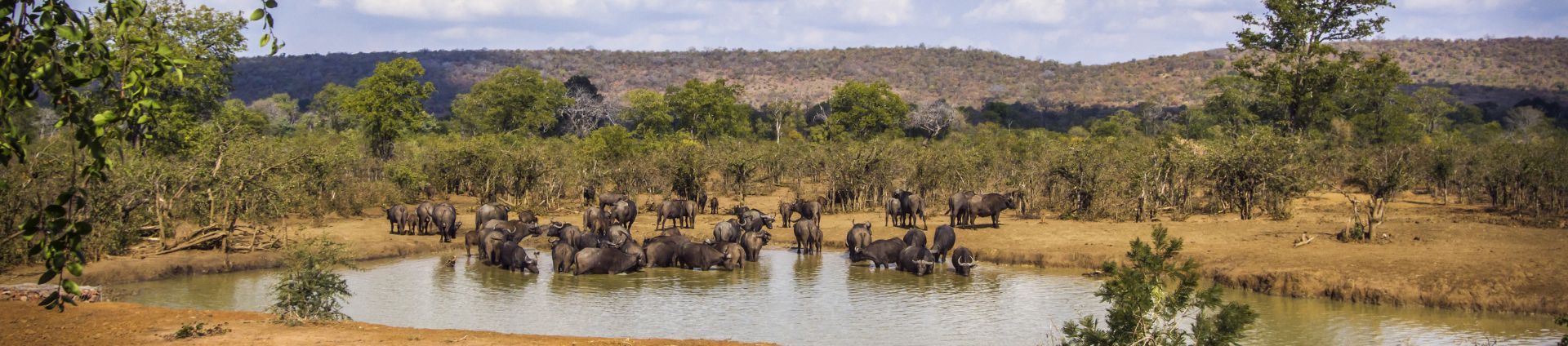
There’s nothing quite like seeing wildlife in its natural habitat. A safari gets you out into the wild, with the chance to see animals in landscapes that feel a world away from the everyday.
Whether it’s your first safari or you’ve been before, knowing what to expect can help you make the most of your time there. Here’s what to know about packing, preparation and safari etiquette before you go.
Research Your Destination

Getting to know the parks you'll be exploring helps you understand what to expect and builds excitement for the journey:
- Kruger National Park is one of the highlights of our South Africa tours. It’s one of the largest and most iconic reserves on the continent, home to the famed Big Five – lion, leopard, elephant, buffalo, and rhino – as well as a rich variety of birdlife and other wildlife.
- Udawalawe National Park features as part of our Sri Lanka adventure. Known for its significant population of elephants, this park also offers opportunities to spot water buffalo, crocodiles, deer, and a vibrant range of bird species – all set against a backdrop of open plains and wetlands.
Health and Safety Precautions
Your health and wellbeing should be a priority when preparing for safari:
- Vaccinations & Medications: Consult your GP or a travel health clinic well in advance. Some destinations may require vaccinations or malaria prophylaxis, particularly for Kruger.
- Travel Insurance: Ensure you have comprehensive travel insurance that includes safari activities and emergency medical cover.
Pack Smart: What to Bring
Packing well ensures you’re both comfortable and prepared:
- Clothing: Stick to lightweight, breathable clothing in neutral colours like khaki, beige, and olive green. These colours blend into the surroundings and attract less attention from insects. Avoid white or bright colours.
- Footwear: A pair of sturdy, closed-toe shoes or walking boots are ideal – especially if your safari includes bush walks.
- Accessories: Include a wide-brimmed hat, UV-protection sunglasses, and a lightweight scarf or bandana to guard against the sun and dust.
- Weather Gear: Even in dry regions, quick showers can happen – a compact waterproof jacket is a smart addition.
Safari Essentials
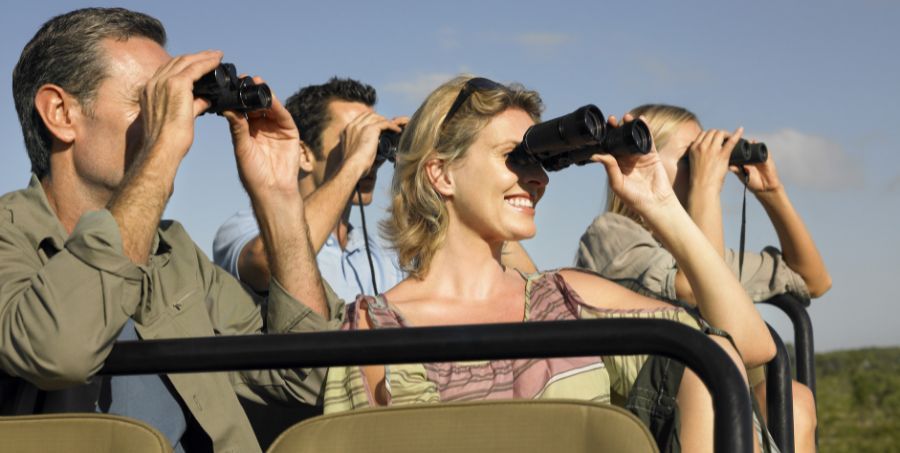
A few thoughtful extras can really enhance your safari experience:
- Binoculars: Essential for spotting wildlife that may be at a distance.
- Camera: If wildlife photography excites you, bring a decent camera with a zoom lens. Don’t forget spare batteries and memory cards.
- Day Bag: A small backpack or crossbody bag for daily game drives is useful for keeping your gear and essentials handy.
- Reusable Water Bottle: Staying hydrated is key, and using a reusable bottle helps reduce plastic waste.
Know the Safari Etiquette
Respecting the wildlife and the people around you contributes to a positive and safe safari experience:
- Keep Noise to a Minimum: Sudden movements and loud voices can frighten animals.
- Stay Inside the Vehicle: Only leave the vehicle in clearly designated areas and only when your guide advises it’s safe.
- Don’t Feed Wildlife: It disrupts natural behaviours and could put both you and the animals at risk.
- Follow Your Guide’s Lead: Safari guides are experts in animal behaviour and safety – trust their instructions.
Get Ready for Your Safari
A little preparation goes a long way on safari, leaving you free to focus on the wildlife, landscapes and experiences along the way. See elephants in Udawalawe National Park on our Sri Lanka adventure or head out on safari in Kruger National Park as part of our South Africa tour.