The Camino de Santiago, or the Way of St. James, is one of the most famous pilgrimage routes in the world. People travel from all over the world to walk the Camino, and for many, it’s about much more than pilgrimage. It’s a chance to get active, take in the scenery and share the trail with people you meet along the way.
Whether you’re drawn to the Camino for religious reasons, the physical challenge or simply the joy of exploration, here are our top tips and advice to help you prepare for walking the Camino de Santiago.
How Many Camino de Santiago Routes Are There?
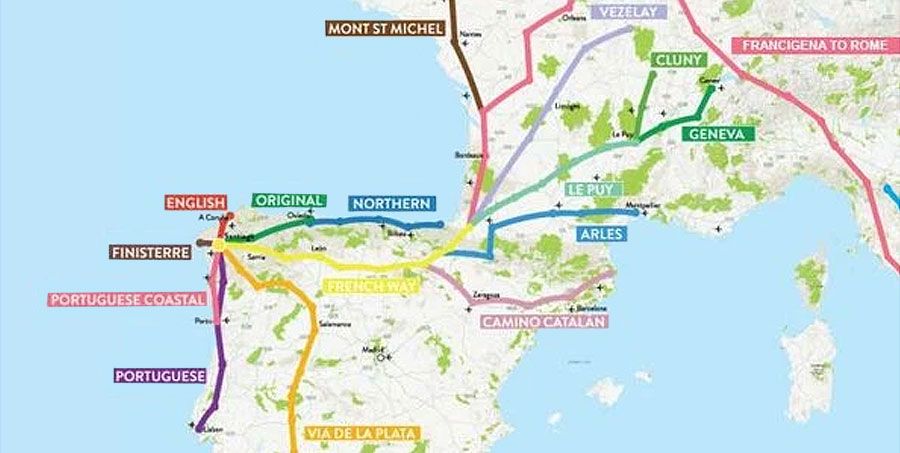
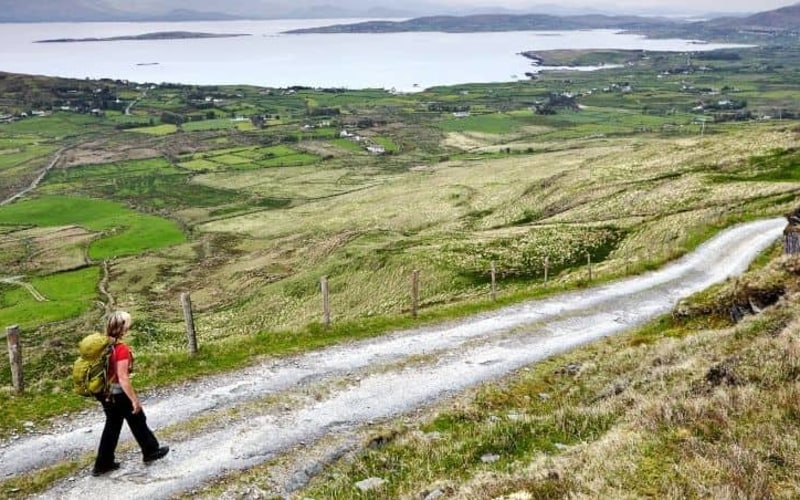
There is a large network of Camino de Santiago routes leading to the shrine of St. James in Santiago de Compostela. Its route network extends across Europe, with starting points in France, Spain, Portugal and even Ireland. There are several established Camino routes, giving walkers plenty of choice when deciding how to reach Santiago.
The French Way, or Camino Francés, starts in Saint-Jean-Pied-de-Port and covers around 790km, while the Portuguese Way, or Camino Português, can be followed towards Santiago from Portugal.
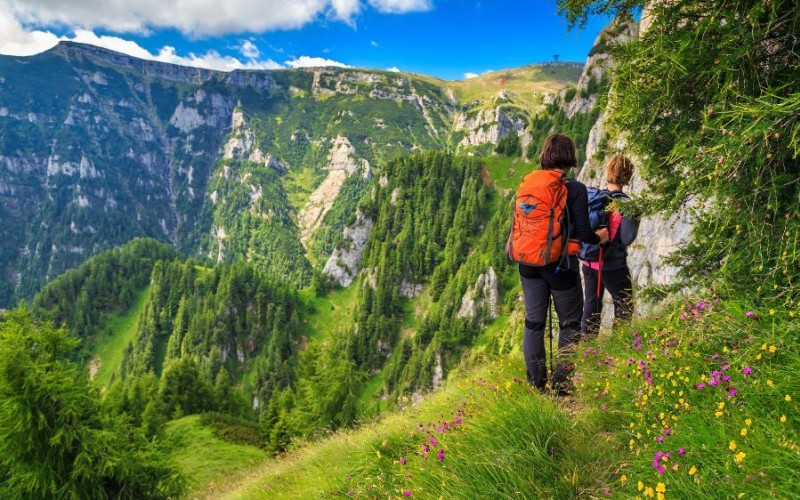
The beauty of the Camino is that you don’t have to walk an entire route. You can choose a section that suits your ability and the time you have available, so you don’t need to be an expert walker to experience it.
What Are the Best Camino Routes for Beginners?
For those who want to experience the Camino but would prefer shorter walking distances, our Footsteps of the Camino walking holiday is a great option.
It gives you a taste of the Camino alongside the food, wine and culture of northern Spain. There’s also an opportunity to visit Bilbao’s Guggenheim Museum and a local winery in the Rioja region.
Are there any challenging Camino Walk routes?
For more experienced walkers, our Camino de Santiago - The French Way or Portuguese Coastal Way offer longer days out on the trail and the chance to take on over 100km of the Camino.
The last 100km of the French Way takes you through woodlands, farmland and small villages on the approach to Santiago, while the Portuguese Coastal Way combines Camino walking with coastal scenery before continuing towards the city.
Can you get lost on the Camino Walk?
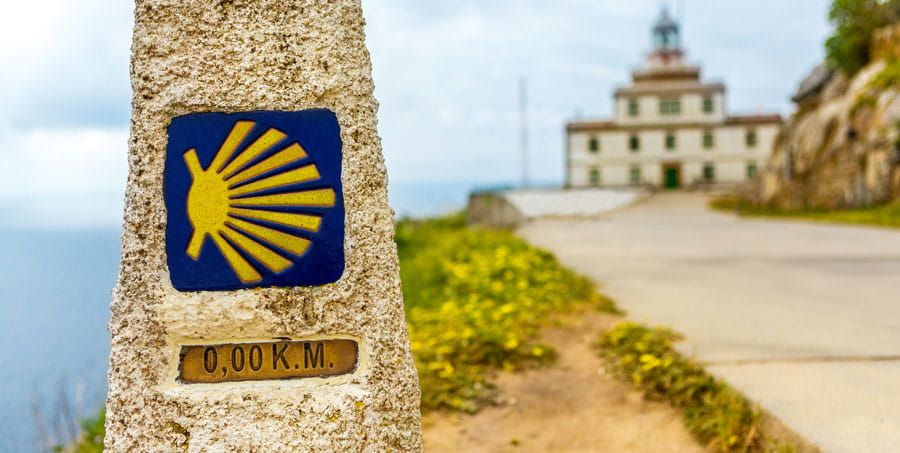
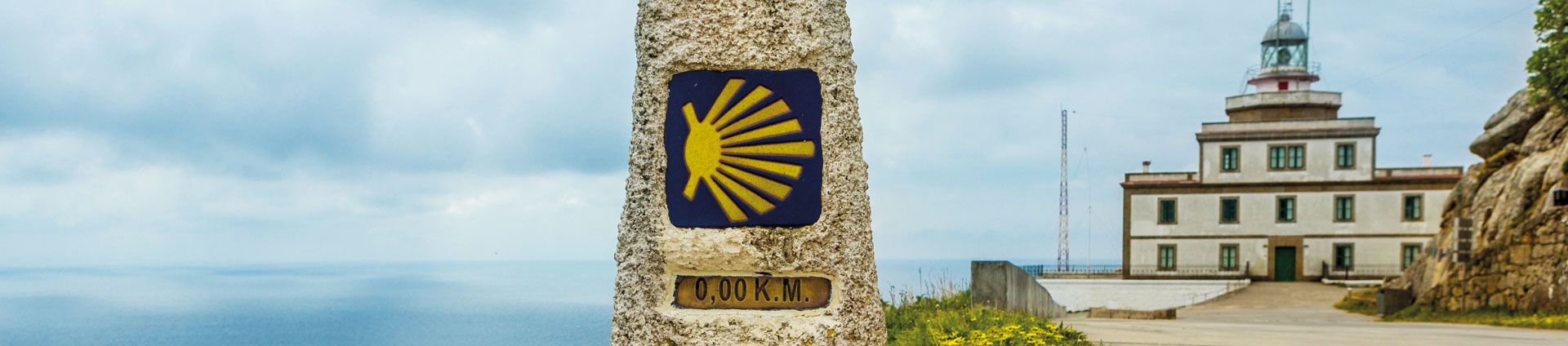
The walking routes along each section of the Camino de Santiago are generally very well marked. The scallop shell is one of the most iconic symbols of the ancient pilgrimage and today it is used, along with the yellow arrow, to guide pilgrims heading to Santiago de Compostela along its many different routes. You’ll spot Camino markers on paths, walls, signs and buildings as you walk.
The scallop shell is said to be a metaphor, with its lines representing the different routes pilgrims travel from all over the world before eventually reaching one point: the tomb of Saint James. Its symbolism can vary, but when you’re walking the Camino, the yellow arrows are an important marker to look out for along the route.
On our Camino walking holidays, you’ll also have an expert local guide with you on your walks, so you can spend less time thinking about directions and more time taking in your surroundings.
How Do I Get My Pilgrim Passport for the Camino Walk?
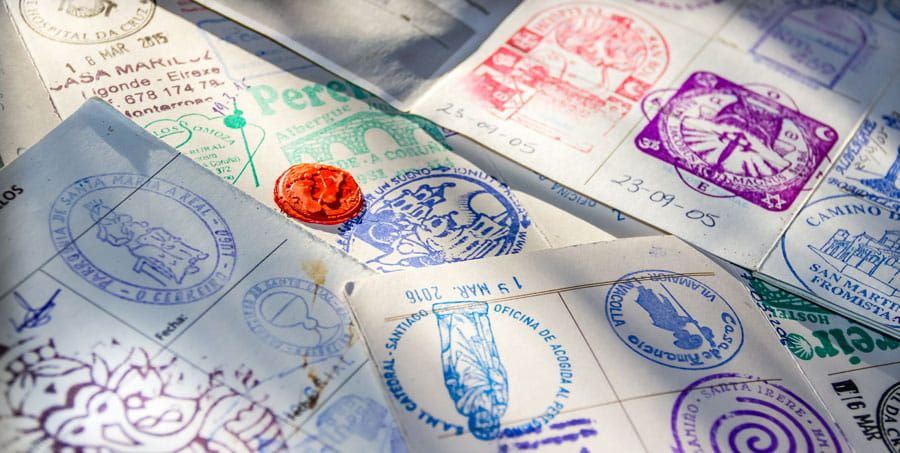
Many people walking the Camino de Santiago, including those who are not travelling for religious reasons, carry the ‘Credencial del Peregrino’, or Pilgrim’s Passport.
As you make your way towards Santiago, you collect stamps in your passport at places along the route, such as hotels, cafés, restaurants and churches. If earning a Compostela certificate is part of your goal, make sure you check the current distance and stamping requirements before you travel.
When you reach Santiago de Compostela, you can visit the Pilgrim’s Reception Office to request your Compostela if you meet the qualifying requirements. It’s a fitting way to mark everything you’ve just achieved on the trail.
When Did People Start Walking the Camino?
The history of the Camino de Santiago dates back to the beginning of the 9th century, when the tomb of St. James, one of the Twelve Apostles of Jesus, was allegedly discovered and started attracting pilgrims from across Europe to this holy site.
Traditionally, people set out from their own homes towards Santiago, which was how the Camino developed. Whilst some people still embark on the Camino for religious reasons, many do so for the physical challenge and adventure. There’s a peaceful rhythm to walking the Camino that’s difficult to understand until you experience it for yourself.
A tradition is to greet everyone you meet along the way with “Buen Camino”. You’ll find yourself saying it regularly as other walkers pass with a smile or a few words of encouragement. That shared experience and sense of camaraderie are a big part of what makes walking the Camino so rewarding.
Where does the Camino de Santiago end?
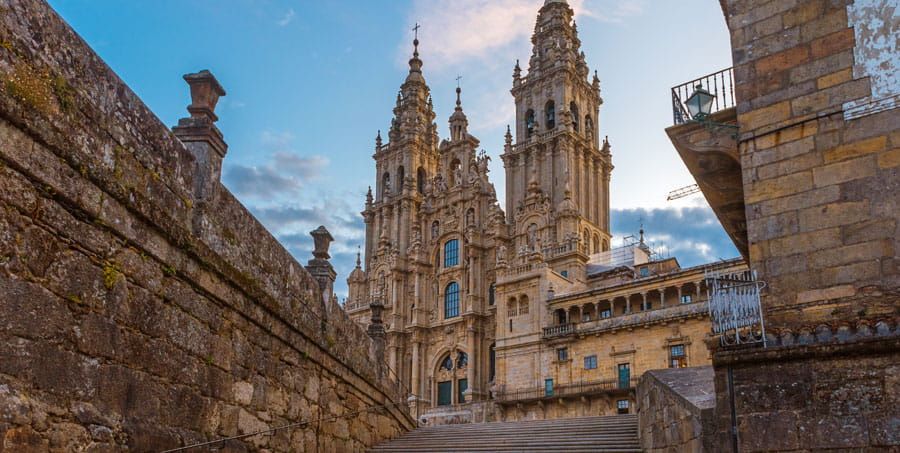
For many Camino routes, the journey finishes at the Cathedral of Santiago de Compostela. Santiago de Compostela is the capital of Galicia in northwest Spain, and its historic centre is a UNESCO World Heritage Site.
The cathedral is traditionally believed to be the burial place of the apostle St. James. Its façade overlooks Praza do Obradoiro in the heart of the Old Town, where narrow streets lead between historic squares and buildings showcasing Romanesque, Gothic and Baroque architecture.
Reaching Santiago after days out on the trail makes exploring the city feel that little bit different. Take some time to wander the Old Town and soak up the atmosphere after completing your Camino walk.
Ready to Walk the Camino de Santiago?
On our Camino de Santiago walking holidays, you’ll be supported by knowledgeable local guides, with your luggage transferred to your next hotel while you take on each day’s walk.
So, lace up your walking boots, grab your walking poles and get ready to experience the Camino for yourself.