Often considered a meeting point between Africa and Europe, Morocco blends diverse cultural influences shaped by its unique geography and history.
Some of the best activities to do in Morocco include:
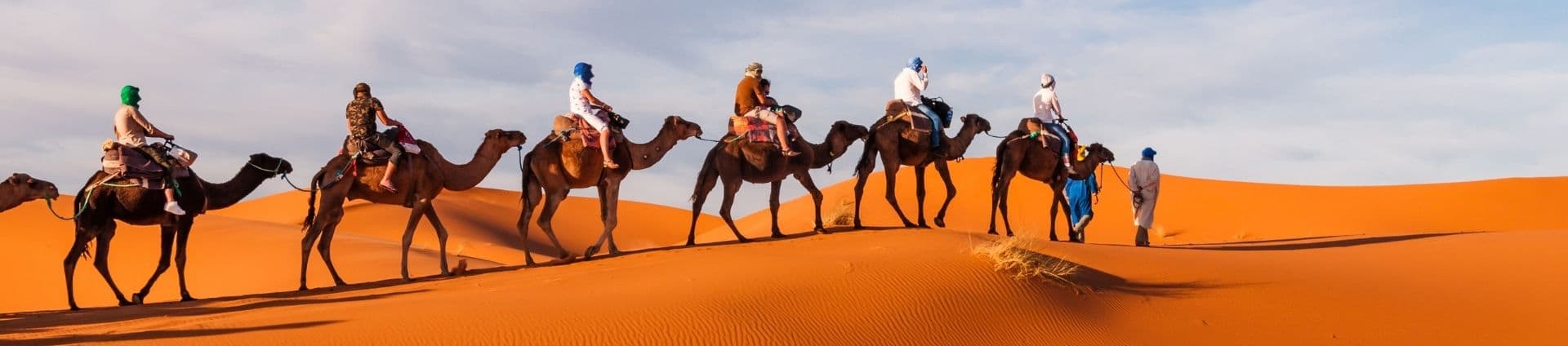
- Camel riding in the Sahara Desert
- Visiting the traditional tanneries in Fes
- Staying in a traditional riad
With year-round sunshine, ancient medinas, cosmopolitan cities, sandy beaches, deserts, mountain ranges, rich cultural heritage and flavourful cuisine, Morocco offers something for every type of traveller.
Top activities in Morocco you have to experience
1. Explore Marrakech
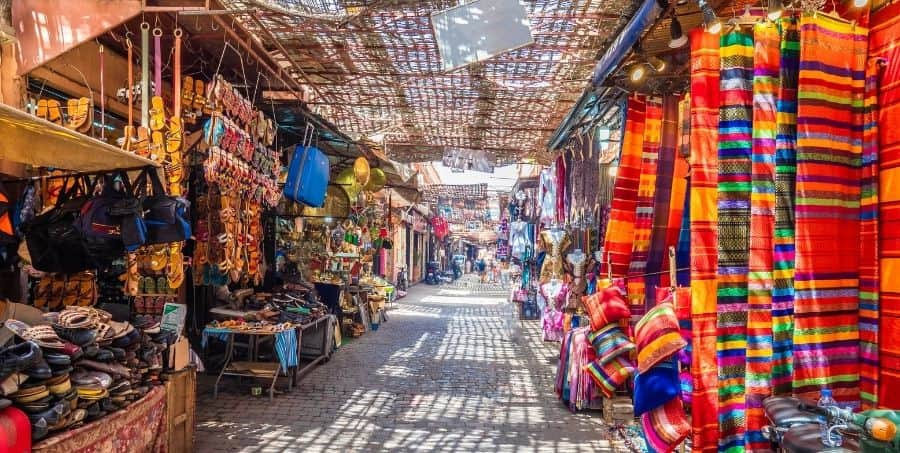
Marrakech is one of Morocco’s most vibrant and atmospheric cities, known for its historic medina, lively street life and rich blend of culture and tradition. Often referred to as the “Red City” due to its distinctive terracotta-coloured buildings, it offers a fascinating mix of old and new, where centuries-old landmarks sit alongside bustling markets and modern cafés.
Within the Medina, the historic walled old town of the city, you’ll find the bustling souks of Marrakech, most famously centred around Jemaa el-Fna. This lively square and surrounding market lanes are filled with stalls offering everything from aromatic spices, rose water and preserved lemons to handcrafted lanterns, leather goods, jewellery and traditional pottery. Bargaining is an essential part of the experience, so take your time, browse freely and agree a price that feels fair before making a purchase, just as the locals do.
2. Experience the tanneries in Fez
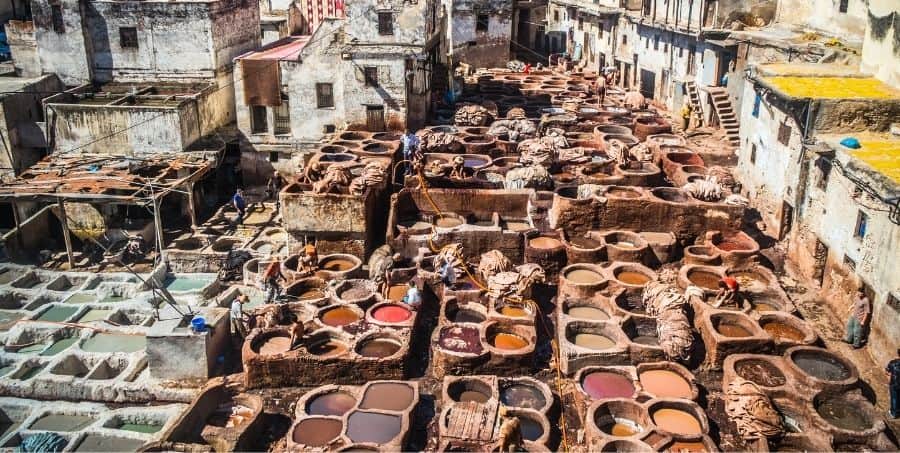
Fes is widely regarded as the world’s oldest and largest medieval city, and its historic medina is a UNESCO World Heritage site filled with narrow, winding streets and centuries-old architecture. It is also home to the famous dye pits and tanneries, where traditional leather-making techniques have been used for generations. The Chouara Tannery is the largest and most well-known in the city, still operating much as it has for hundreds of years, offering a fascinating insight into this ancient craft.
Beyond the tanneries, Fes is also known for key landmarks such as the Al Quaraouiyine University, considered one of the oldest universities in the world, and the Bou Inania Madrasa, a stunning example of intricate Islamic architecture. The city’s maze-like layout means it is easy to get lost, with hidden souks, workshops and courtyards around every corner, which is why it is best explored on a guided tour with a local who can bring its history and culture to life.
3. Drive through the Atlas Mountains
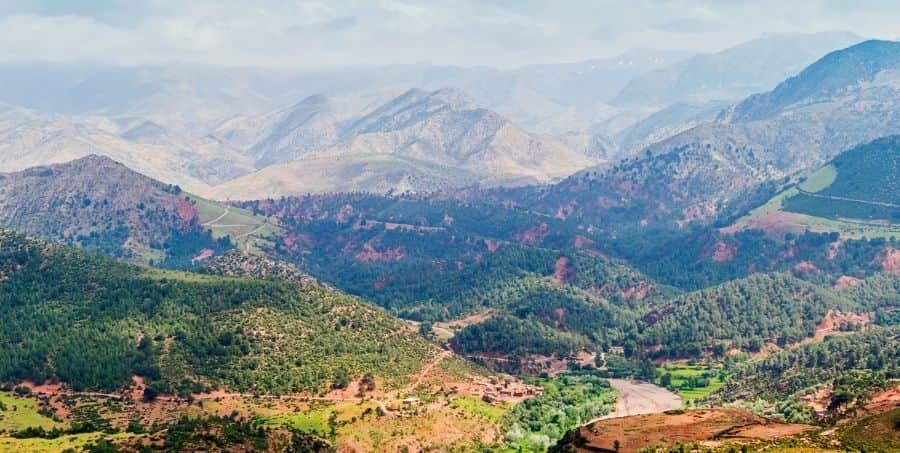
At over 2,260 metres above sea level, the Tizi-n-Tichka mountain pass offers one of the most spectacular drives in the world, winding through dramatic scenery with sweeping views of valleys and peaks along the way. It forms a key crossing point in the High Atlas Mountains, which stretch for more than 2,000km across Tunisia, Algeria and Morocco, creating a striking natural barrier between the Atlantic and Sahara regions.
You can also experience this incredible landscape on foot as part of our Morocco walking holidays, where guided routes take you through mountain villages, valleys and scenic passes, offering a closer look at one of North Africa’s most impressive mountain ranges.
4. Take a camel ride in the Sahara desert
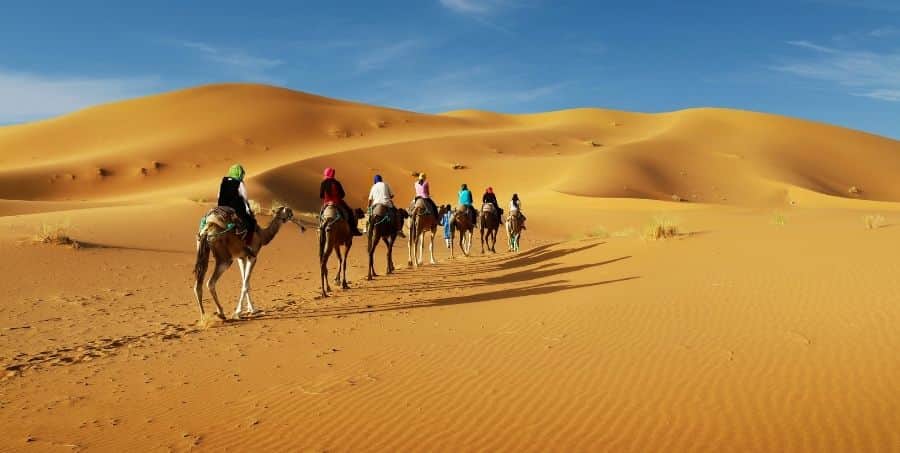
The Sahara Desert is the largest hot desert in the world, covering more than 9 million square kilometres across North Africa. Its vast landscapes of rolling sand dunes and open horizons create an otherworldly setting that changes dramatically with the light throughout the day.
A camel ride through the dunes offers a traditional way to explore this unique environment, followed by the chance to watch an unforgettable desert sunset as the landscape shifts in colour. Spending the night in a desert camp under a clear, star-filled sky completes the experience, offering a rare sense of stillness and connection with nature.
5. Stay in an authentic riad
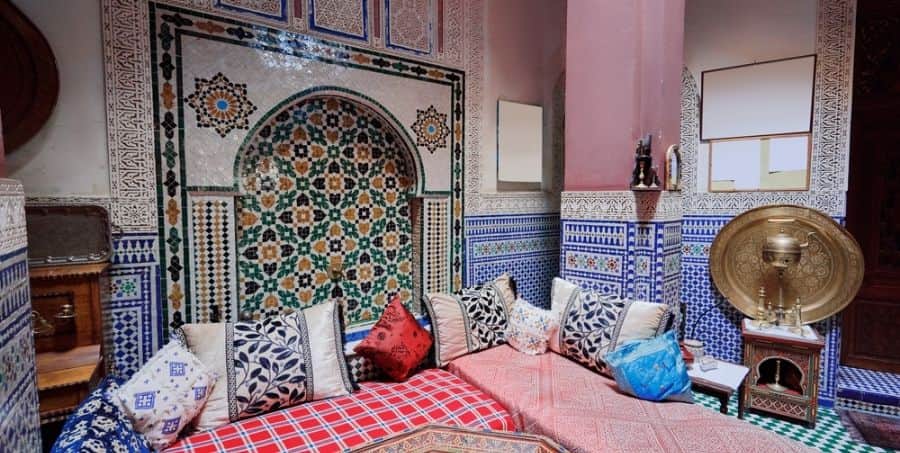
To get an authentic local Moroccan experience, we recommend staying in a riad, a traditional large house built around a central courtyard or garden, often featuring intricate tilework, carved wood and peaceful open spaces away from the bustle of the streets. Many riads are family-run, and the welcoming hosts often provide a simple home-cooked meal, giving you a taste of traditional Moroccan hospitality and regional dishes prepared with local ingredients.
6. See the largest mosque in Morocco
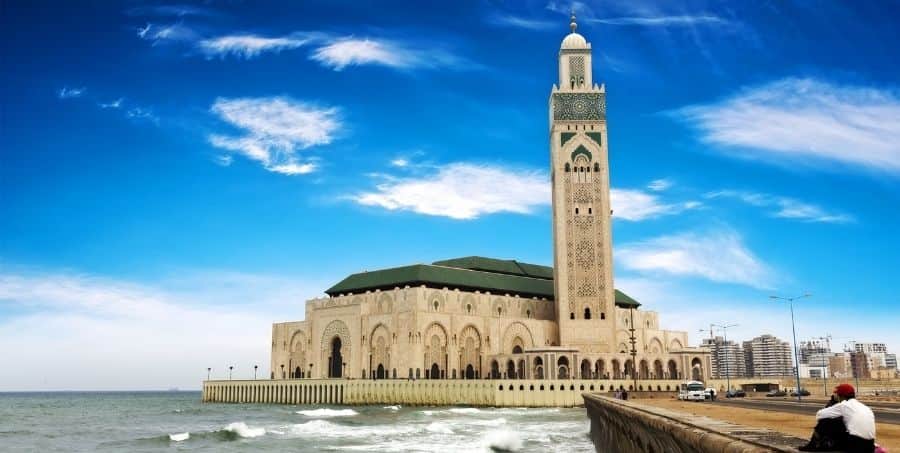
One of the top ten largest mosques in the world, the Hassan II Mosque is a striking landmark in Casablanca, set dramatically on the edge of the Atlantic Ocean. Designed by French architect Michel Pinseau, its construction took six years and brought together thousands of skilled Moroccan artisans, resulting in intricate craftsmanship across marble, wood and tilework.
The mosque can accommodate over 100,000 worshippers and is one of the few in Morocco open to non-Muslim visitors. Its oceanfront location was inspired by a verse from the Qur’an describing God’s throne as built upon water, giving the building a powerful symbolic connection to the sea.
7. Discover Ait Benhaddou
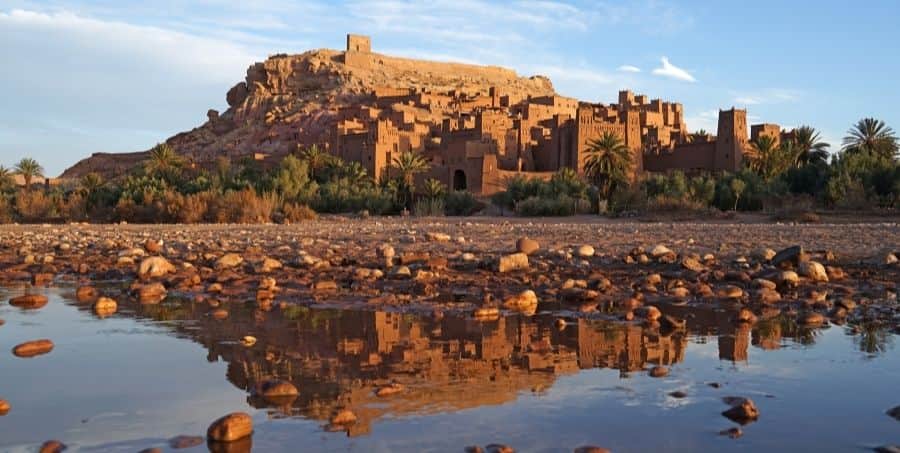
The UNESCO World Heritage site and fortified village of Aït Benhaddou is one of the most iconic sights in Morocco, set dramatically along the former caravan route between the Sahara and Marrakech. Its striking earthen clay buildings are constructed using traditional medieval techniques, with sun-dried mud bricks and defensive walls designed to withstand the desert climate.
Today, only a small number of families still live within the ksar, preserving its historic character and atmosphere. Its cinematic appearance has also made it a popular filming location, featuring in major productions such as The Mummy, Gladiator, Lawrence of Arabia and Kingdom of Heaven, making it instantly recognisable to many visitors.
8. Learn more about the Berbers
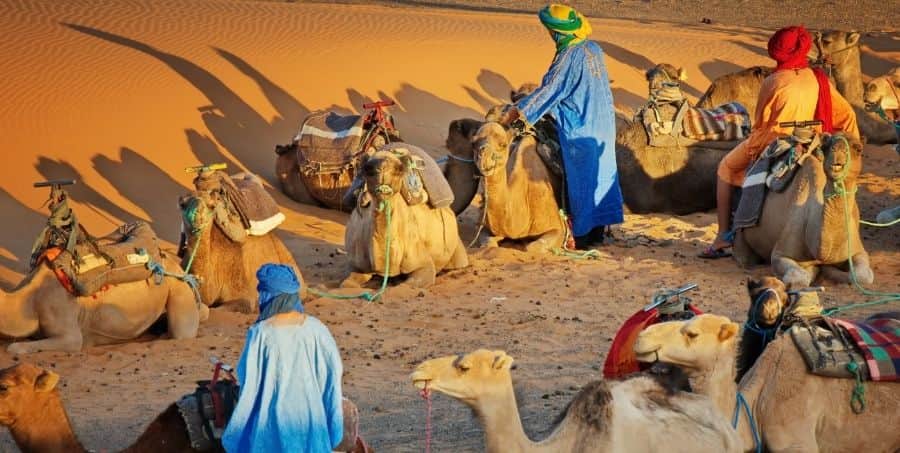
Berbers are an ethnic group indigenous to North Africa whose culture dates back more than 4,000 years, with deep-rooted traditions still visible across Morocco today. When you camp in the Sahara Desert on our Moroccan trips, you can experience a glimpse of their way of life through authentic local dishes served at camp dinners, often prepared using traditional methods and ingredients.
In the evening, you can also enjoy live traditional music around the camp, offering a meaningful insight into Berber heritage and the rhythms of desert life under the stars.
9. Visit Rabat
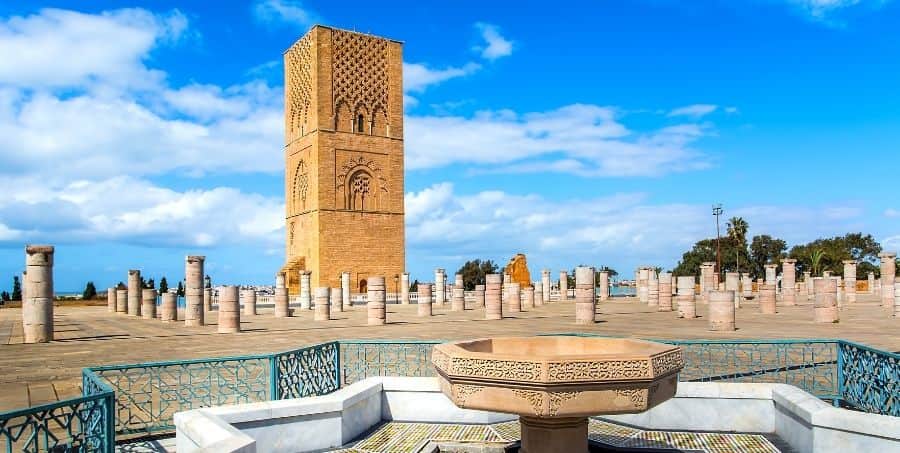
Although Rabat is the capital of Morocco, it is often overlooked in favour of more well-known cities, despite offering a relaxed coastal atmosphere and a rich historical heritage. Located along the Atlantic coast, the city blends modern government districts with quieter historic areas, making it an easy and rewarding place to explore at a slower pace.
In the old quarter, you can visit the Kasbah of the Udayas, a UNESCO-listed fortress overlooking the river and ocean, with narrow blue-and-white streets and peaceful gardens. Another key landmark is the Hassan Tower, an unfinished minaret that stands as a striking reminder of Rabat’s historic ambitions and architectural heritage.
10. Enjoy Moroccan food
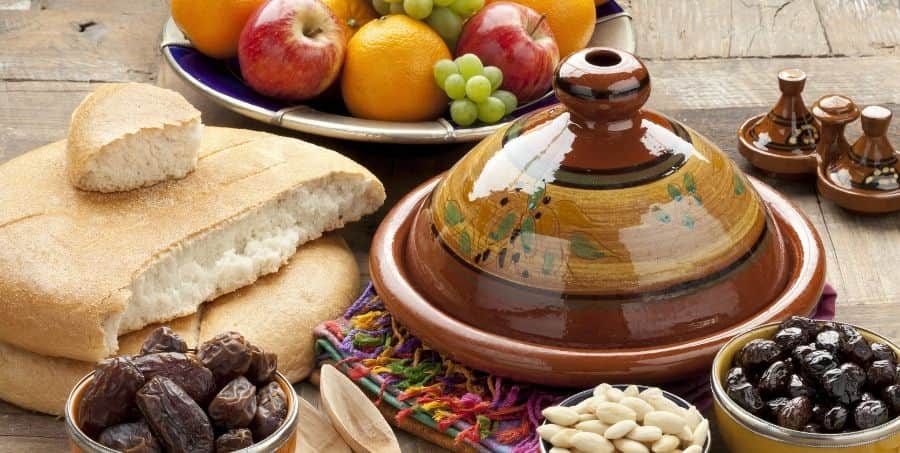
Moroccan food is world renowned, spicy, healthy and delicious. Some of the famous dishes of Morocco include Couscous, tagines of lamb or chicken, flavoured with spice mixes known as Ras el Hanout, meatballs of lamb or beef (kefta) and Pastilla, a fine pastry stuffed with pigeon and almonds. Fruit is used as commonly as vegetables in cooking. Vegetarians will be happy with ‘meze’, small dishes usually including spiced aubergine dip, herbed potatoes, honeyed carrots, puréed pumpkin with cinnamon, and roasted tomato relish. Refreshing mint tea is the nation’s favourite drink. On our Explore Morocco tours, when we visit Fez, we’ll enjoy authentic Moroccan cuisine with a local family.
Ready to take an adventurous tour of Morocco?
So if you are looking for an adventure of a lifetime, discover Morocco with us. We offer much more on our Explore holidays, with each trip you can expect an opportunity for cultural immersion, independent exploration, along with seeing all the key highlights. You can also join us on our Morocco Photography holiday, it’s the perfect destination to learn and develop your documentary, street and landscape photography skills.